

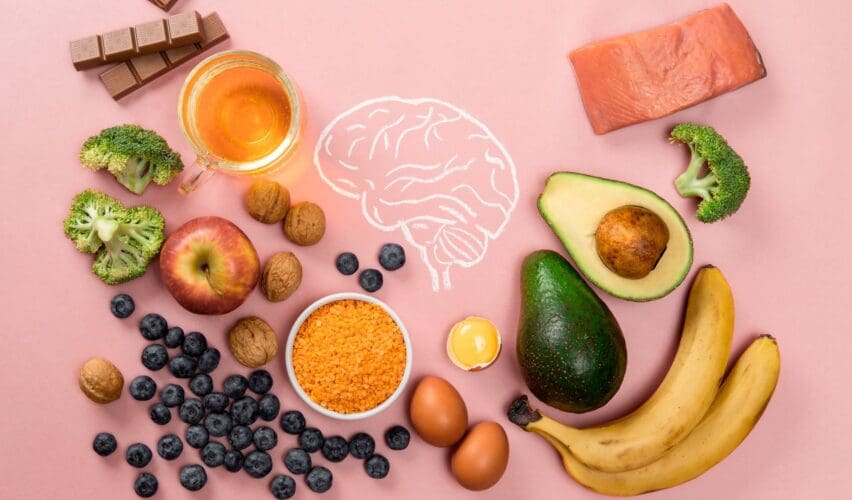
Nutrition for Neurodiversity: Feeding the Autistic and ADHD Brain
We treat the neurodivergent brain as if it floats in a jar, completely severed from the metabolic fires of the body. Mainstream psychology has long worshiped the neck-up approach. Therapy targets the mind. Medication hacks the synapses. We forget the gut. We ignore the blood. This is a profound physiological error. In my research bridging clinical behavioral science and somatic wellness, a singular truth continues to surface: the brain is an organ, and it requires fuel.
Yet, when we discuss autism and ADHD, we reduce nourishment to behavioral management, ignoring the breathtaking biological reality that how we feed ourselves directly alters how we experience reality. We pathologize the meltdown. We punish the crash. We rarely examine the breakfast.
The human nervous system is not a closed circuit. It is a highly permeable, deeply reactive ecology. For those navigating the world with neurodivergent wiring, this ecology is often set to a higher baseline of sensitivity. Sounds are louder. Textures are sharper. Emotions hit with physical force. To demand that a brain operating at this level of intensity simply function normally while fueled by reactive, inflammatory, or nutrient-void inputs is a metabolic cruelty. We must stop viewing dietary interventions as fringe alternative medicine. Adjusting what we consume is the baseline of biological respect. It is the architectural foundation upon which all other therapies, coping mechanisms, and self-actualization efforts must rest.
The Enteric Mirror and the Vagus Highway
Beneath the ribcage lies a second consciousness. The enteric nervous system governs the gastrointestinal tract with a complexity that mirrors the brain itself. Connecting the two is the vagus nerve—the superhighway that transmits data at lightning speed and speaks the language of inflammation, microbial balance, and neurochemical availability. For the autistic and ADHD brain, this vagus highway is often congested with distress signals, marked by high rates of intestinal permeability (leaky gut) and significant microbiome dysbiosis. This is not a coincidence; it is biology crying out for translation.
When the gut lining is compromised by processed foods, environmental toxins, or chronic stress, large protein molecules and lipopolysaccharides slip into the bloodstream, sparking an immune response and systemic inflammation. This inflammation crosses the blood-brain barrier. In neurodivergent individuals, whose nervous systems are already exquisitely sensitive, neuroinflammation manifests as brain fog, sensory overload, and emotional volatility. We mistake this physiological distress for a psychological failing, blaming the individual for a lack of resilience when their very cells are ringing a five-alarm fire bell.
Consider the synthesis of neurotransmitters: an overwhelming majority of the body’s serotonin is manufactured in the dark folds of the intestines. Serotonin dictates mood, regulates sleep, and shapes interoceptive awareness—our ability to feel safe and grounded inside our own skin. When the gut environment is inflamed, the production and transportation of these chemical messengers fracture, translating physically as floating anxiety or generalized dread. Healing the gut through anti-inflammatory dietary shifts and repairing nutrients like L-glutamine or rich probiotic strains is not about achieving a superficial wellness aesthetic; it is about calming the fire and restoring the manufacturing plant of our deepest emotional stability.
Dopamine Architecture and the Glycemic Rollercoaster
The ADHD brain is a perpetual hunter. It scans the environment, starved for stimulation, desperately seeking dopamine—the molecule of motivation, reward, and executive function. When baseline dopamine is low, the brain will do whatever it takes to secure a hit. Enter the modern western diet: high-glycemic carbohydrates and refined sugars offer a spectacular, immediate neurochemical spike. For an exhausted, under-stimulated nervous system, sugar feels like salvation, providing a temporary burst of clarity and peace. But the biological toll is devastating.
We ride a steep, jagged curve as blood sugar skyrockets, triggering a massive release of insulin that results in a reactive hypoglycemic crash. For a neurotypical brain, a blood sugar crash means fatigue and irritability; for the ADHD brain, a crash is catastrophic. Executive function collapses, working memory evaporates, and rejection sensitive dysphoria amplifies into physical pain. The individual is left stranded in a fog of paralysis, often berating themselves for a sudden lack of willpower. It is not a moral failing; it is a biological freefall.
Stabilizing the glycemic curve is the most profound intervention for attention regulation. We must shift the fuel source from quick-burning kindling to slow-burning logs by pairing complex, fiber-rich carbohydrates with dense fats. Furthermore, amino acids are the raw materials for neurotransmitter synthesis: tyrosine and phenylalanine, found abundantly in high-quality proteins, are the direct biological precursors to dopamine and norepinephrine. By front-loading protein early in the day, we give the ADHD brain the literal building blocks it needs to construct focus, moving away from the chaos of crash-to-crash survival into the quiet power of a well-nourished prefrontal cortex.

Sensory Safe Havens and the Micronutrient Gap
Food is not merely fuel. It is texture, sound, and an overwhelming array of olfactory and gustatory data. For many autistic individuals and those with ADHD, eating is a profound sensory event. When the nervous system struggles to filter and modulate sensory input, a mixed-texture casserole is not a comforting meal—it is a neurological assault. When we categorize this as stubbornness, behavioral defiance, or Avoidant/Restrictive Food Intake Disorder (ARFID), we completely misunderstand the nervous system.
Restricting food intake based on texture, brand consistency, or color is a brilliant, adaptive mechanism—the nervous system attempting to create a safe haven in a chronically overwhelming world. A specific brand of crackers offers predictable sensory data with zero surprises, acting as a small oasis of control. We must approach restricted eating with deep, compassionate reverence rather than a battle plan to force compliance, which only drives the nervous system deeper into a defensive, sympathetic state.
However, we must also acknowledge the biological cost of the sensory safe haven, as highly restricted diets naturally lead to severe micronutrient gaps. Deficiencies in magnesium (the great relaxer), zinc (vital for neurotransmitter synthesis and immunity), iron, and omega-3 fatty acids (which form the structural walls of brain cells) are rampant in neurodivergent communities. When these are missing, baseline anxiety rises, focus shatters, and sleep becomes elusive. The intervention requires nuance: we do not destroy the safe haven; we gently bridge the gap using bio-available supplementation and micro-exposures to new foods in completely zero-pressure environments, honoring the sensory boundary while quietly reinforcing the biological foundation.
The Sacred Ritual of Bio-Individual Nourishment
We cannot separate what we eat from how we eat. The biological state of the human organism at the moment of consumption dictates everything. The autonomic nervous system operates in two primary modes: the sympathetic state (fight, flight, or freeze) and the parasympathetic state (rest and digest). You cannot metabolize nutrients while running from a tiger. For many neurodivergent individuals, simply navigating daily life keeps the sympathetic nervous system heavily engaged. When we sit down to eat in a state of sensory overwhelm, masking fatigue, or executive burnout, our digestive fires are suppressed, stomach acid production halts, and gut motility freezes. We can consume the most nutrient-dense meal on the planet, but if the body is locked in survival mode, those nutrients will not be absorbed.
We must reclaim eating as a somatic practice—a moment of returning to the body that dismantles the clinical, sterile approach to nutrition. Nourishment must become a grounding ritual: dimming harsh lights, wearing noise-canceling headphones if the clinking of silverware is painful, or allowing stimming and movement during a meal rather than demanding a rigid posture. We must shape the environment to signal profound safety to the brainstem.
When the body feels safe, the parasympathetic nervous system engages, the vagus nerve signals the gut to open its doors, and we begin to assimilate and heal. Nutrition for neurodiversity is not a diet; it is a deep, ongoing dialogue with our own biology. It requires us to listen to the whispers of our metabolic needs before they become the screams of a nervous system breakdown. By honoring our unique neurochemical architecture, balancing our blood sugar, respecting our sensory boundaries, and cultivating safety in our bodies, we move away from just surviving our neurodivergence. We begin to fuel our brilliance. We feed the fire. We finally come home to ourselves.
The video below demonstrates practical strategies and somatic approaches to supporting nervous system regulation and mindful eating habits.
Visited 1 times, 1 visit(s) today