
Discover the Amazing Postbiotic Benefits Today
The Postbiotic Frontier: Beyond the Illusion of Live Bacteria
We have been sold a biological lie. We swallow billions of living organisms daily, convinced that life alone brings healing. We chase the promise of vitality through fragile capsules packed with dormant bacteria, trusting the mainstream narrative that simply adding more life to our gut will somehow fix our modern malaise. The reality is far more complex, and frankly, far more profound. We worship the tool. We ignore the product.
In my research spanning two decades of behavioral science, human performance, and biological adaptation, a quiet revolution has emerged from the microscopic shadows. We are moving past the obsession with the living. We are entering the era of the dead, the discarded, the transformed. Welcome to the postbiotic frontier.
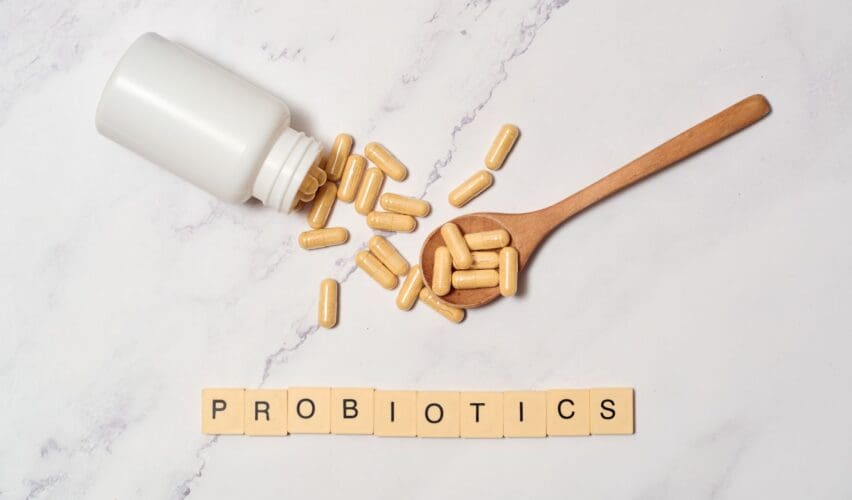
To understand where we are going, we must first confront where we have been stuck. For years, the wellness industry has preached a gospel of repopulation. We were told our microbiomes were barren wastelands needing constant seeding with live probiotics. We bought refrigerated liquids. We bought enteric-coated pills. We bought the story because we wanted a quick fix and a hero. Yet, the biological truth is vastly different and infinitely more resilient than a fragile strain of Lactobacillus struggling to survive the hostile, acidic inferno of the human stomach.
Most consumed bacteria never colonize. They pass through, fighting the acid and losing the battle. But in their failure to take up permanent residence, they trigger something miraculous. We have spent billions of dollars focusing on the workers in the factory while completely ignoring the actual goods they produce. Probiotics are simply the laborers. Prebiotics are the raw materials they consume. Postbiotics are the finished products—the chemical metabolites, short-chain fatty acids, enzymes, peptides, and organic acids that actually interface with human biology to create systemic change. We have been worshipping the cow while ignoring the milk.
The Probiotic Placebo
Human beings crave simple narratives. We want clear villains and obvious saviors, a cognitive bias that makes the story of “good bugs fighting bad bugs” incredibly seductive. This mental framework provided psychological comfort, giving us a sense of control over our chaotic, stress-inundated biology. We believed we were fortifying our inner defenses merely by swallowing a pill containing fifty billion colony-forming units, feeling productive and protected.
The placebo effect is a powerful biological reality, but it cannot repair a compromised mucosal lining or modulate a hyperactive immune system on its own. When we peel back the layers of marketing and look at rigorous, peer-reviewed gastroenterological data, a stark realization emerges: the live microbes we ingest are transient visitors. They do not set up shop or build permanent homes; they act as fleeting tourists in a highly established, fiercely territorial microscopic metropolis.
This forces a massive shift in our understanding of human fitness and healing. We must abandon the simplistic repopulation myth and embrace a more nuanced, dynamic reality. If the bacteria are not staying, why do we feel better when we consume them? The answer lies not in their presence, but in their exhaust. As these transient microbes travel through the gastrointestinal tract, they ferment the fibers we have eaten and produce waste. That microscopic waste is the very chemical gold our bodies require to function, repair, and thrive. We are not healing because of the live bacteria; we are healing because of the postbiotic metabolites they leave behind.
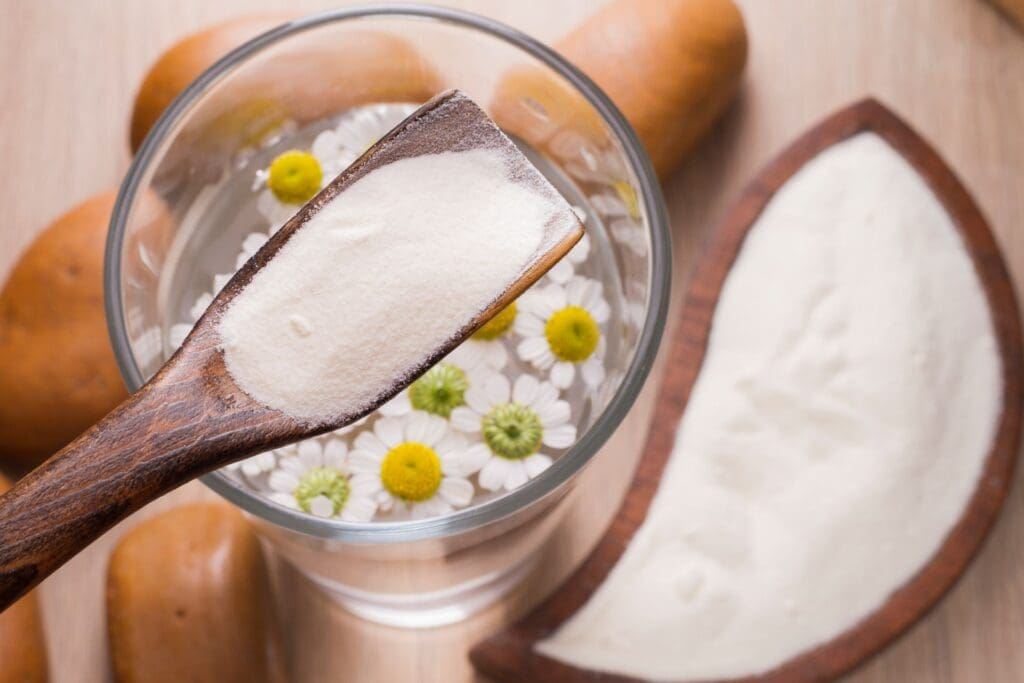
The Alchemy of the Gut
Let us step inside the actual mechanism of transformation. The large intestine is not a passive storage tube, but a highly active, fiercely intelligent bioreactor—a site of pure biological alchemy where indigestible plant fibers meet native flora. A violent, beautiful fermentation occurs as the microbes feast and excrete, resulting in powerful postbiotic compounds.
One of the most potent of these metabolites is a short-chain fatty acid called butyrate. Butyrate is the primary fuel source for colonocytes, the cells lining the colon. Without butyrate, these cells starve, wither, and weaken the barrier. A compromised barrier allows endotoxins to leak into the bloodstream, triggering systemic inflammation, brain fog, joint pain, and emotional volatility. Butyrate seals the wall, calms the fire, and dictates the physical boundary between the outside world and our internal sanctuary.
This is where human fitness intersects with microscopic chemistry. We cannot achieve peak physical or spiritual performance if our foundational barriers are compromised. Postbiotics act as the master regulators of this boundary, entering the bloodstream, traveling to the liver, crossing the blood-brain barrier, and speaking directly to the vagus nerve. The gut-brain axis is not a metaphorical concept; it is a literal, chemical highway paved by postbiotic metabolites. When we understand this, we stop eating merely to satisfy hunger and begin eating to provide the raw materials for metabolic synthesis.
The Ghost in the Machine
Perhaps the most fascinating dimension of the postbiotic frontier is the realization that life is not a strict requirement for biological benefit. In my research observing how human belief systems influence physical recovery, I have often noted our cultural aversion to death and decay. We equate dead things with useless things. Biology does not share this prejudice; it is incredibly pragmatic.
Enter the concept of paraprobiotics, a specific subset of postbiotics consisting of inactivated microbial cells—dead bacteria, or ghosts. The capsule dissolves, the acid attacks, and the microbes die. Yet, in this microscopic graveyard, a profound biochemical resurrection occurs as cellular debris interfaces directly with our human immune architecture.
Our immune cells, particularly dendritic cells and macrophages, are constantly scanning the gut environment for patterns. They do not care if a bacterium is breathing; they care about the shape of its cell wall, structural proteins, and DNA fragments. When our immune system encounters the structural remnants of specific dead beneficial bacteria, it reads their physical signature, learns, adapts, and initiates a modulated, protective response without the risk of an active infection. The ghost in the machine teaches the body how to defend itself, mirroring the human psychological experience where we are shaped by the structural lessons of our past.
The Next Horizon of Human Optimization
We stand at the precipice of a new paradigm in physical and spiritual wellness. The postbiotic frontier demands a higher level of biological literacy, requiring us to abandon comforting, outdated marketing slogans and step into a sophisticated relationship with our own physiology. We are no longer passive consumers hoping a pill will fix us; we are active participants in a complex, metabolic dialogue.
Behaviorally, this shifts how we approach supplementation and nutrition. The era of obsessing over billions of colony-forming units is fading. We are seeing a surge in direct postbiotic supplementation: why hope bacteria survive stomach acid to produce butyrate when we can simply ingest the butyrate itself? By cutting out the middleman and delivering precise metabolic signaling molecules directly to the gut lining, we gain incredible stability. Postbiotics do not require refrigeration or die on a hot shelf; they are reliable, potent, and grounded in metabolic reality.
Human performance depends entirely on our cellular environment. By focusing on postbiotics, we target the root chemical signals dictating inflammation, mood, energy, and immune defense. The true measure of health is not found in the live bacteria we consume, but in the metabolic symphony they orchestrate within us.
The video below walks through the mechanics of the gut microbiome, short-chain fatty acids, and how postbiotic metabolites influence systemic wellness.
Visited 1 times, 1 visit(s) today